The Recovery Environment: Protect Your Salt
We talk about someone being “salty” today and tend to mean that they’re weathered, sharp around the edges, and maybe a bit ornery - in a nostalgic way. But that’s a modern twist.
It’s a common trope with some old-timers in Alcoholics Anonymous circles.
While the modern interpretation serves a purpose, and while the old-timers definitely have a lot of wisdom in their decades of sobriety, there’s a deeper meaning - one that even those who pride themselves on being “salty” might miss.
The truth of it becomes obvious when we dig beyond the cliché and the tough guy aesthetic.
Protecting The Vessel
In the ancient world, being salty meant strength. Potency. Resilience. Usefulness.
It meant that you added something essential to the people around you. Salt kept food from rotting. It made meals bearable. It disinfected wounds. It enriched soil so that crops grew stronger. Salt kept life going.
So when people said that salt was good, they were pointing to a person’s ability to endure, to preserve what mattered, to bring steadiness into their life, into their household, and by ripple effect - their whole community.
That’s why they paid attention to how salt - as in the mineral itself - behaved. And there’s a wise metaphor that lies within it.
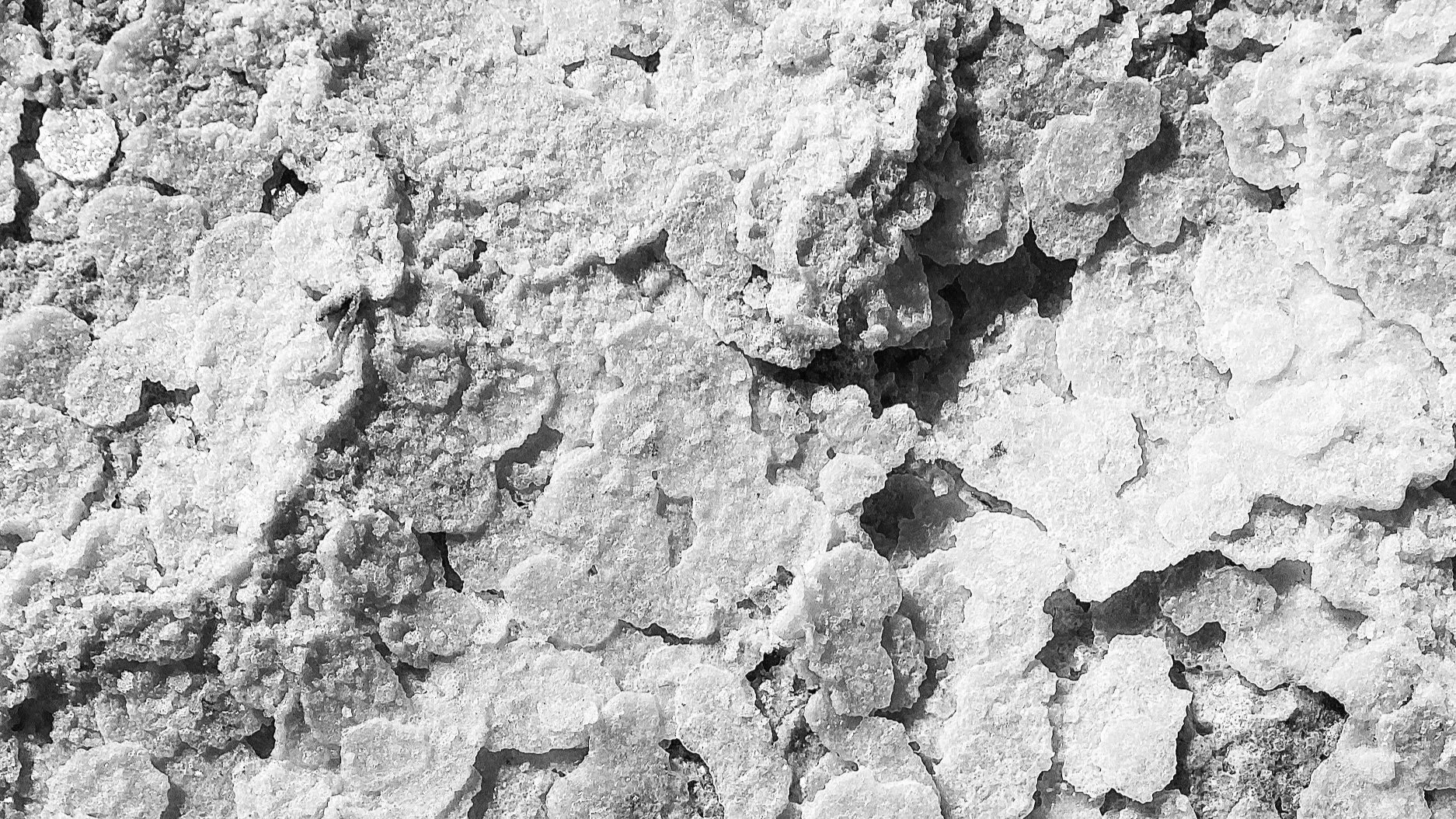
Ancient salt didn’t behave the way we expect today. It wasn’t pure, and it wasn’t stable. A shift in humidity, a little rain, or the wrong kind of storage vessel could pull the real salt downward and leave a dry crust on top that looked fine but had no potency left in it. People dealt with this constantly.
They learned to scrape off the hardened layer to get to the part that still worked. And if salt was stored in the wrong environment - out in the open, exposed to the elements - it slowly leached away. It looked fine but eventually, the whole block would crumble at a touch.
It’s a surprisingly accurate picture of how a person’s inner life works in recovery and points to the need to protect and preserve the salt of recovery - what we often call “recovery capital”.
What matters in you - your clarity, drive, creativity, steadiness, and capacity for change - that lives inside dynamic conditions. The body adapts to what surrounds it. It learns from repetition. It anticipates what usually happens in a given place, with a given person, at a given time of day. That learning becomes momentum, recovery capital, and salt.
So when someone tries to build a new life while staying in the exact same environments that shaped the old one, the system keeps pulling them back toward what it already knows how to do.
Recovery gains traction when the environment begins to cooperate with the direction of change.
What Surrounds You
Walk through your daily environment with intention. Remove what pulls you backward. Rearrange what you see first in the morning and last at night. Make the next right action easier to reach than the old one. A bottle on the counter, a number in your phone, a chair placed in a certain corner - trash them, at least for a while. These details carry weight because the nervous system responds to what is obvious and available.
Then look at your relational environment. Some relationships carry a gravitational pull toward the past. Not always out of malice. Often out of familiarity. People tend to meet you where they’ve always known you. If a friend or family member consistently pulls you into old patterns, that’s useful information. Distance can be an act of clarity. Proximity can be earned again later, when your footing is stronger.
At the same time, place yourself among people who live in the direction you want to go. Rooms where sobriety is normal. Conversations where growth is expected. Communities where showing up matters. Exposure works both ways. What surrounds you will shape you and either accrue or deplete your recovery capital.
Daily rhythm matters just as much. Idle time in the wrong environment fills itself quickly. Structured time in a supportive environment builds something durable. Set anchors in your day that reinforce who you are becoming. Movement, conversation, stillness, work that requires effort - these aren’t filler, they’re salt. They’re conditions that keep your internal system aligned.
And then there’s the internal environment. Old roles, reactive patterns and narratives tend to harden over time. They sit on the surface and start to feel permanent. They aren’t. They can be removed.
Naming them clearly is the first step. Interrupting them the moment they begin to move is the next.
Each scrape of the crust clears a little more space for the steadier salt to remain strong.
Recovery In Practice
Shape the conditions that shape you. Strengthen the vessel that protects your recovery capital. Build routines that support your direction. Set boundaries that protect your energy. Choose environments that allow your system to stabilize, then grow. And when you find the hardened layer that risks your recovery, remove it with intention.
The material underneath still carries strength.
Given the right conditions, it holds.
Protect your salt.